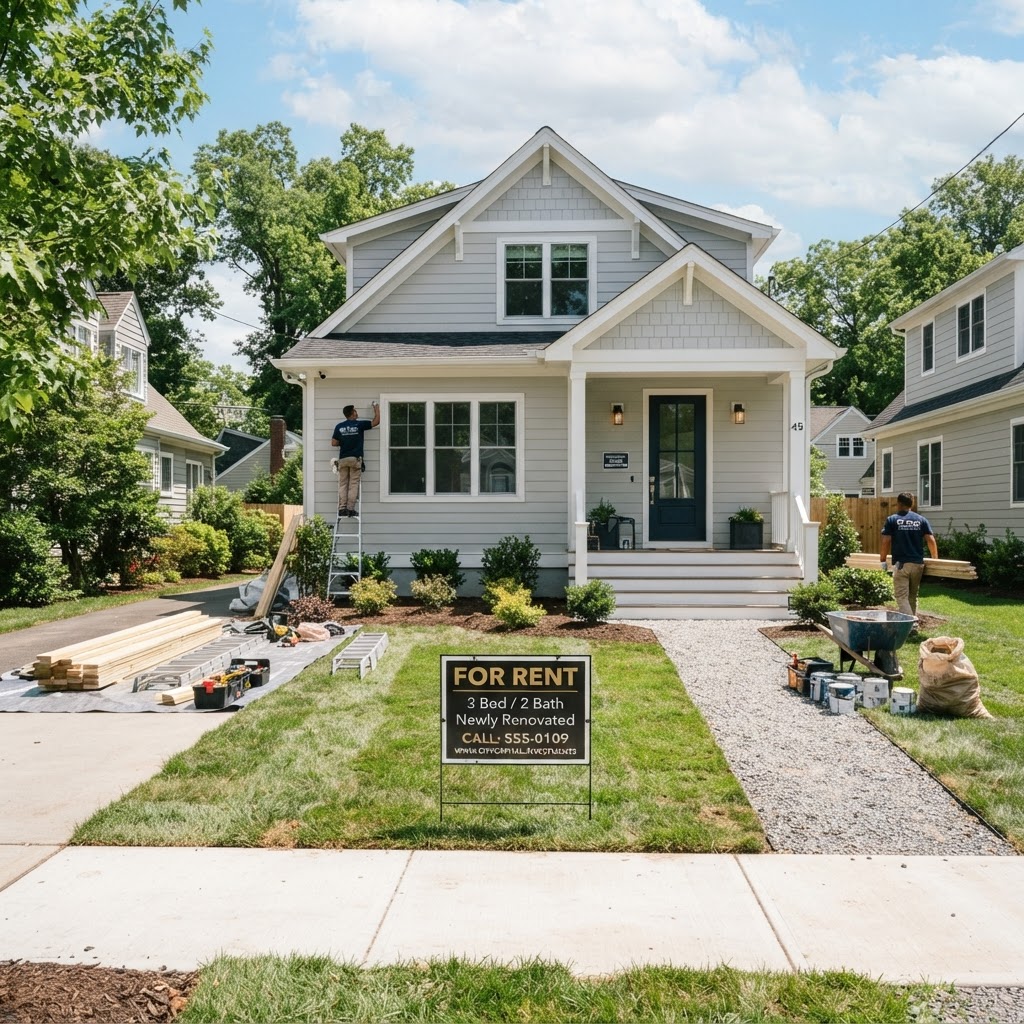
The Fix-and-Flip Opportunity
Fix-and-flip investing — purchasing a distressed property, renovating it, and selling it for a profit — can be one of the most profitable strategies in real estate. But success doesn't just depend on finding the right property. It requires the right financing, a solid budget, and a realistic timeline.
In this guide, we'll walk through everything you need to know about financing your fix-and-flip project from acquisition to sale.
Understanding the Total Cost
Before seeking financing, you need to calculate your total project cost:
1. Acquisition Cost
- Purchase price of the property
- Closing costs (2-5% of purchase price)
- Inspection and appraisal fees
2. Renovation Cost
- Materials and labor
- Permits and inspections
- Contingency reserve (10-15% of rehab budget)
3. Carrying Costs
- Loan interest payments (monthly)
- Property taxes
- Insurance
- Utilities
- HOA dues (if applicable)
4. Selling Costs
- Real estate agent commissions (5-6% of sale price)
- Closing costs (1-3% of sale price)
- Staging and marketing
Pro Tip: Your total project cost (acquisition + renovation + carrying + selling) should be no more than 70-75% of the After-Repair Value (ARV) to ensure a healthy profit margin.
Financing Options for Fix-and-Flips
Hard Money Loans
The most common financing method for fix-and-flips:
- LTV/LTC: Up to 80% of purchase price and 100% of rehab costs
- Terms: 6-18 months
- Rates: 10-14%
- Points: 2-4
- Funding: 5-10 days
- Income verification: Usually not required
Private Money Loans
Funded by individual investors, offering more flexible terms:
- LTV/LTC: Up to 75% of total project cost
- Terms: 6-24 months
- Rates: 8-13%
- Points: 1-3
- Funding: Varies (7-21 days)
- Flexibility: Custom structures available
Bridge Loans
Short-term financing that bridges acquisition to permanent financing:
- LTV: Up to 80% of property value
- Terms: 6-18 months
- Rates: 9-14%
- Best for: Investors who plan to refinance rather than sell
How Draw-Based Funding Works
Most fix-and-flip loans fund the renovation costs in draws — installments released as construction milestones are completed:
- Initial draw: Released at closing to cover acquisition (and sometimes initial rehab)
- Subsequent draws: Released after inspections verify completed work (demolition, framing, plumbing, electrical, finishes)
- Final draw: Released after the final inspection and punch list
This protects both the lender and the borrower by ensuring funds are used for actual completed work.
Calculating Your Profit
Here's a sample fix-and-flip deal:
| Item | Amount | |------|-------| | Purchase price | $200,000 | | Renovation cost | $50,000 | | Carrying costs (6 months) | $12,000 | | Selling costs | $25,000 | | Total project cost | $287,000 | | Sale price (ARV) | $400,000 | | Gross profit | $113,000 | | Less: Loan interest (6 months @ 12%) | $15,000 | | Less: Origination points (3%) | $7,500 | | Net profit | $90,500 |
Tips for a Successful Fix-and-Flip
1. Buy Right
The profit is made when you buy, not when you sell. Never overpay for a property — the ARV formula should guide your maximum offer.
2. Have a Detailed Rehab Budget
Get multiple contractor bids before closing. Underestimating renovation costs is the #1 reason flips lose money.
3. Build in a Contingency
Set aside 10-15% of your rehab budget for unexpected issues — you'll almost always need it.
4. Know Your Exit Strategy
Decide before you buy whether you'll sell or refinance. If the market shifts, having a Plan B (rental + refinance) can save your investment.
5. Work with Experienced Professionals
A lender who understands fix-and-flips, a reliable contractor, and a real estate agent who knows the neighborhood can make or break your project.
Common Mistakes to Avoid
- Over-improving the property — renovations should match the neighborhood, not exceed it
- Underestimating timelines — permits, inspections, and weather can cause delays
- Ignoring carrying costs — every month you hold the property costs money
- No contingency plan — always have a backup exit strategy
Ready to Fund Your Next Flip?
At ASB Capital Loan Funding, we specialize in fix-and-flip financing with fast approvals, flexible terms, and draw-based funding that keeps your project moving. Whether you're an experienced flipper or tackling your first project, our team can help you structure the right loan for your deal.
Apply today and get pre-approved for your next flip.